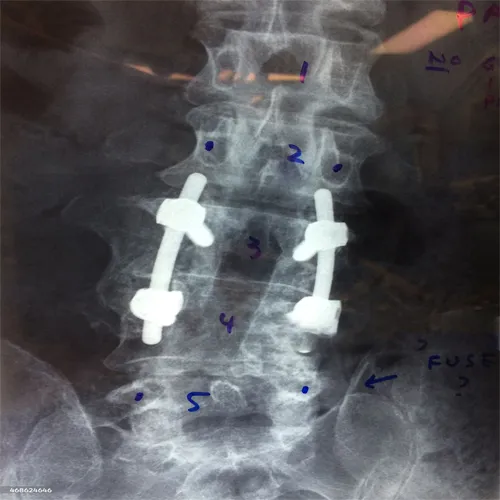

Lumbar fusion surgery is a procedure aimed at relieving pain caused by degenerative disc disease, spinal fractures, or other conditions affecting the lumbar spine. The lumbar spine is located in the lower back and plays a crucial role in supporting the upper body and facilitating movement. When conditions like disc degeneration, spinal instability, or fractures occur, lumbar fusion can be an effective treatment to restore stability and reduce pain.
In this blog, we will explore what lumbar fusion surgery is, why it may be necessary, the process involved, and how it can benefit patients. Additionally, we will touch on the role of Dr. Karthikeyan Maharajan, an experienced orthopedic and spine surgeon, who provides expert care for those needing lumbar fusion.
What is Lumbar Fusion Surgery?
Lumbar fusion surgery, also known as spinal fusion in the lower back, is a procedure that involves joining two or more vertebrae in the lumbar spine to prevent motion between them. The goal of the surgery is to eliminate pain caused by movement in the affected vertebrae, which may be unstable due to injury, disease, or degeneration. By fusing the vertebrae, the spine becomes more stable, providing pain relief and preventing further damage.
This procedure is typically recommended when non-surgical treatments such as physical therapy, medication, or injections have not been effective in relieving pain. It is also an option for patients who suffer from conditions such as:
Degenerative Disc Disease: Where the discs between the vertebrae break down, leading to pain and stiffness.
Spinal Stenosis: A narrowing of the spinal canal that can put pressure on the spinal cord and nerves.
Spondylolisthesis: A condition where one vertebra slips forward over another, causing pain and instability.
Fractures or Injury: Severe fractures or injuries to the spine may require fusion to stabilize the vertebrae.
Scoliosis or Spinal Deformities: Abnormal curves in the spine that affect alignment and function.
Why is Lumbar Fusion Surgery Needed?
Lumbar fusion surgery is primarily used to treat chronic back pain caused by unstable or degenerated spinal structures. The most common reasons for recommending lumbar fusion include:
Chronic Pain: Persistent pain that does not respond to conservative treatments like physical therapy, pain medication, or spinal injections.
Spinal Instability: Conditions such as spondylolisthesis or severe degenerative disc disease lead to abnormal motion or instability in the spine, which can cause pain and affect movement.
Spinal Deformities: Conditions like scoliosis or kyphosis, which cause misalignment of the spine, may require fusion to correct posture and alleviate discomfort.
Trauma or Fractures: Fractures or injuries to the spine can cause instability, requiring fusion to stabilize the affected area and prevent further injury.
How is Lumbar Fusion Surgery Performed?
Lumbar fusion is typically performed under general anesthesia, and the surgery can take several hours depending on the extent of the condition being treated. There are different techniques used in lumbar fusion surgery, including:
Posterior Lumbar Fusion: This is the most common approach, where the surgeon makes an incision in the back to access the affected vertebrae. The damaged disc is removed, and bone graft material is inserted between the vertebrae to encourage fusion.
Anterior Lumbar Fusion: In this technique, the surgeon makes an incision in the abdomen to access the spine from the front. This approach may be used for patients with specific conditions that require access to the lumbar spine from the front.
Lateral Lumbar Fusion: This involves accessing the spine from the side and is less invasive than the posterior or anterior approaches.
Minimally Invasive Lumbar Fusion: In some cases, the surgeon may use minimally invasive techniques, which involve smaller incisions and specialized instruments to reduce muscle damage, minimize blood loss, and shorten recovery time.
During the procedure, the surgeon may use bone grafts, either from the patient’s body or a donor, or synthetic materials to promote the growth of new bone between the vertebrae. This will eventually fuse the vertebrae together. Metal screws, plates, or rods may also be used to stabilize the spine while the fusion takes place.
Benefits of Lumbar Fusion Surgery
Lumbar fusion can offer significant benefits for patients who are struggling with chronic back pain or instability due to conditions such as degenerative disc disease or spinal fractures. Some of the primary benefits include:
Pain Relief: One of the primary goals of lumbar fusion surgery is to alleviate pain caused by unstable vertebrae. Once the fusion process is complete, the pain caused by motion between the vertebrae typically diminishes.
Improved Stability: The fusion of the vertebrae provides stability to the spine, which helps prevent abnormal motion and further injury.
Better Mobility: While fusion reduces the motion between the fused vertebrae, it can improve overall mobility by eliminating pain and instability, allowing patients to move more freely.
Prevention of Further Damage: Lumbar fusion can prevent the progression of certain conditions, such as spondylolisthesis or spinal deformities, by stabilizing the spine and preventing further degeneration.
Recovery and Aftercare
After lumbar fusion surgery, patients can expect a recovery period that may vary depending on the type of surgery and individual health. Recovery typically involves:
Hospital Stay: Most patients stay in the hospital for a few days after surgery, during which time they are monitored and assisted with pain management.
Physical Therapy: Rehabilitation is an essential part of recovery. Physical therapy will help patients regain strength, flexibility, and function in the spine.
Activity Restrictions: Patients may need to limit certain activities, such as bending, twisting, and lifting heavy objects, during the recovery period.
Follow-Up Appointments: Regular follow-up visits with the surgeon are essential to monitor the progress of the fusion and ensure that the spine is healing properly.
The recovery process can take several months, and the full benefits of lumbar fusion surgery may not be evident until the fusion is complete, which can take up to a year.
Conclusion
Lumbar fusion surgery is a highly effective treatment option for patients suffering from chronic back pain or spinal instability due to conditions like degenerative disc disease, spondylolisthesis, or trauma. The procedure offers significant benefits, including pain relief, improved stability, and better mobility. If you are dealing with a spinal condition that may require lumbar fusion, it’s important to seek expert care. Dr. Karthikeyan Maharajan’s experience and dedication to advanced spine care make him a trusted choice for patients looking for lasting relief and improved quality of life.
My approach combines minimally invasive techniques and the latest advancements in spine surgery to ensure precise, effective treatments with faster recovery times.
Copyright © Best Spine Cure 2026 All Rights Reserved.