
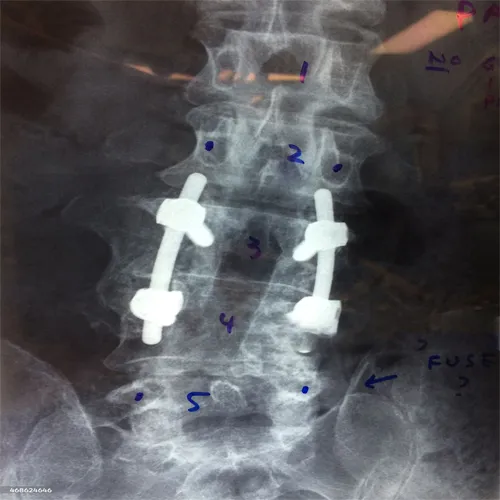
Spondylitis is a term used to describe inflammation in the spine, particularly in the joints that connect the vertebrae. It can cause pain, and stiffness, and in severe cases, lead to a loss of mobility. The condition is often chronic and may worsen over time, affecting a person’s ability to carry out daily activities. There are different types of spondylitis, with Ankylosing Spondylitis (AS) being the most common. Understanding what spondylitis is, its causes, symptoms, treatment options, and the importance of seeking specialized care can help those suffering from the condition lead better, pain-free lives.
Spondylitis refers to inflammation of the vertebrae in the spine. This condition causes the affected joints to swell, which leads to pain, stiffness, and reduced range of motion. If left untreated, the chronic inflammation can cause the spine to fuse, leading to permanent rigidity in the spine, making it difficult for patients to move.
The most common form of spondylitis is Ankylosing Spondylitis (AS), a type of inflammatory arthritis that primarily affects the lower back and pelvis, though it can also involve other parts of the spine. This condition typically begins in the sacroiliac joints (the joints that connect the spine to the pelvis) and can spread upwards along the spine. It is most often diagnosed in young adults, typically in their 20s or 30s, and is more common in men than in women.
Spondylitis symptoms can vary from mild to severe and may develop gradually over time. The most common symptoms include:
As the disease progresses, the inflammation can lead to the fusing of the vertebrae in the spine, causing a loss of mobility. This condition is often referred to as "bamboo spine" because the spine takes on a rigid, bamboo-like appearance in advanced cases.
While the exact cause of spondylitis is not fully understood, several factors contribute to its development:
If you suspect that you have spondylitis or are experiencing chronic back pain and stiffness, it is essential to see a healthcare professional for an accurate diagnosis. The doctor will perform a thorough physical examination and may recommend several diagnostic tests, including:
While there is no cure for spondylitis, the goal of treatment is to reduce pain, manage inflammation, and prevent the disease from progressing. Treatment typically involves a combination of medication, physical therapy, and in some cases, surgery.
Regular exercises and physical therapy play a crucial role in maintaining flexibility, improving posture, and preventing deformities in the spine. Stretching exercises, strengthening exercises, and aerobic exercises help to keep the spine mobile and reduce stiffness.
Surgery is typically reserved for cases where other treatments have not been effective or when deformities and severe pain cannot be managed by other means. Surgical options include:
Spondylitis is a serious condition that requires early diagnosis and ongoing management to prevent long-term complications such as fusion of the spine. While there is no cure, treatment options, including medications, physical therapy, and surgery, can significantly improve quality of life and reduce symptoms. If you or someone you know is suffering from spondylitis, seeking expert care is essential. Dr. Karthikeyan Maharajan offers a holistic approach to spine care, helping patients regain mobility and lead pain-free lives. Don't wait to take control of your spine health—schedule a consultation today to begin your journey to recovery.
My approach combines minimally invasive techniques and the latest advancements in spine surgery to ensure precise, effective treatments with faster recovery times.

Copyright © Best Spine Cure 2026 All Rights Reserved.